
Resources to help you on your journey to water resilience
There are several ways in which the HWH project’s expertise can work with growers on their journey to greater water resilience.
Our factsheets cover a wide range of subjects, from rainwater harvesting and irrigation to the multiple benefits of floral plots, from beneficial insects to improved soil and drainage conditions.
We also have a lot of material from our workshops which focus on different aspects of water and land stewardship and how they can help businesses, the supply chain and the environment become more climate change resilient.
Our experts can also help you look into funding opportunities to help develop and deliver measures on your farm.
We have many resources below for you to explore, but you can easily Book a Farm Visit with one of our experts, or sign up to our newsletter. In a fast-changing sector, this quarterly newsletter will keep you informed of project development, relevant news on the growers and stakeholders we work with, important changes in legislation, upcoming events and funding opportunities.
HWH uses mapping tools to engage with growers
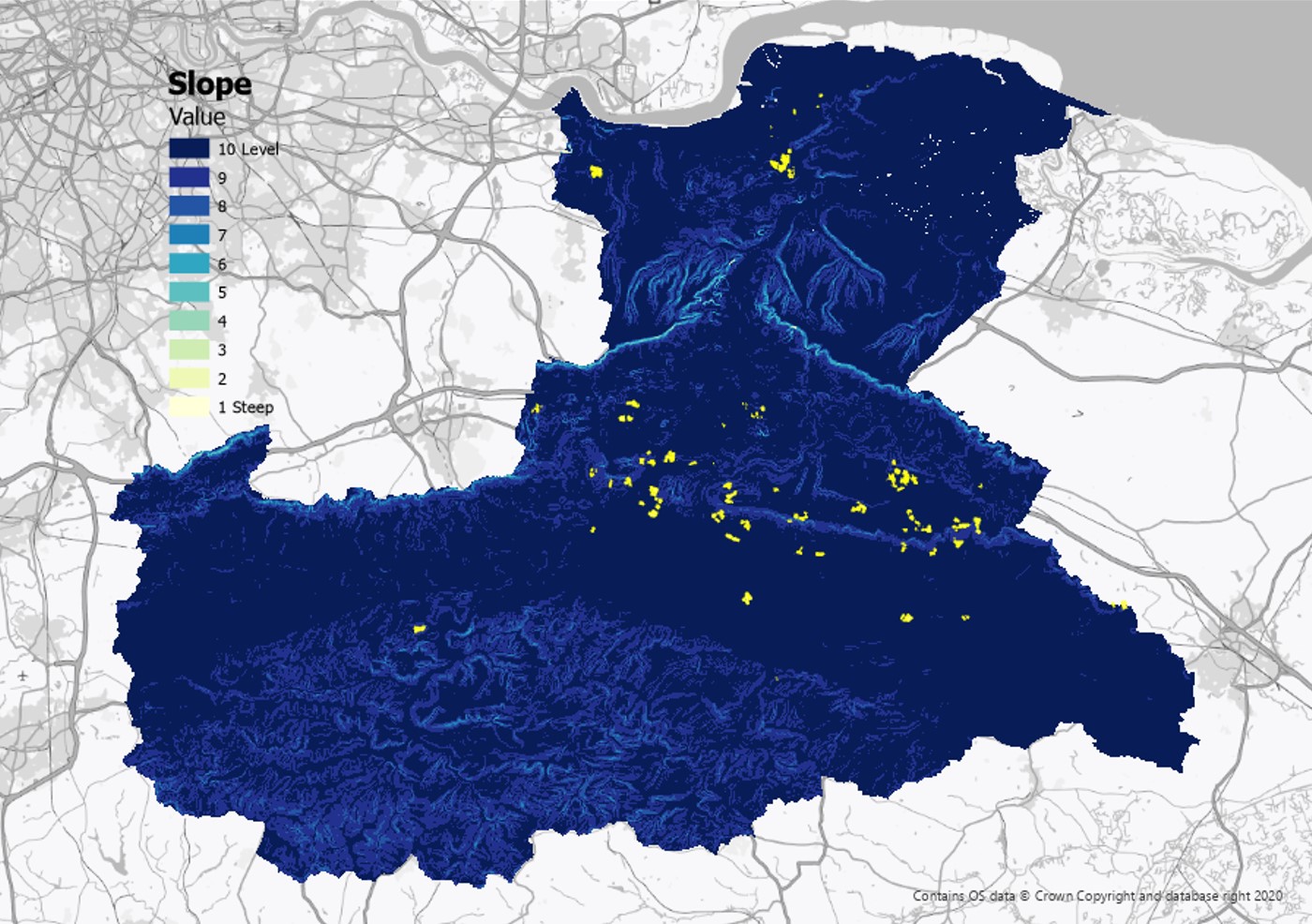
HWH uses data and tools, such as mapping methods, to identify areas of present and future water risk. This information is used to work with growers to scope for solutions that improve water resilience. These might focus on aspects of water capture and storage or looking at Nature-based Solutions to mitigate impacts such as surface water runoff and soil erosion.
Our work has included mapping polytunnels, using aerial imagery, and combining it with output from Kent County Council’s Spatial Risk Assessment for Water. This reports on future scenarios of water availability and quality related to predicted changes in climate, population and land use.
Abstraction: stay informed
Water is the foundation of horticulture, making it vital to work together to stay informed about abstraction regulations, as the details change regularly. It is more important than ever to abstract water sustainably, to prevent river catchments deteriorating further and to support the multiple sectors that depend on water. In March 2024, the South East Rivers Trust and the National Farms Union co-hosted an Abstraction Reform Workshop to raise awareness on this pressing issue and to start the ball rolling on establishing Water Abstraction Groups [WAGs].
The benefits of rainwater harvesting
Rainwater harvesting and storage options are growing in importance, particularly for protected crops as weather patterns change and the uncertainty around water availability grows. Many resources are available to support investment in this valuable alternative source of water.
Trials conducted by NIAB EMR for Kent County Council at the Wet Centre show that rainwater harvesting from polytunnels, combined with precision irrigation and adequate storage, can provide up to 99% water self-sufficiency – fantastic news for growers and public water supply.

Further reading on making the most of rainwater
The possibility of being 99% water self sufficient showing the huge potential to reduce reliance on mains water supplies during peak season or particularly dry years.
Use free rainwater harvesting tools, developed by Cranfield University and Kent County Council, to calculate the benefits of installing rainwater harvesting for your business.
HWH also recommends looking at the web page of your water company regularly, or signing up to their newsletter for news on capital grants and other funding opportunities for installing rainwater harvesting systems at your farm.
Reasons to take a floral approach
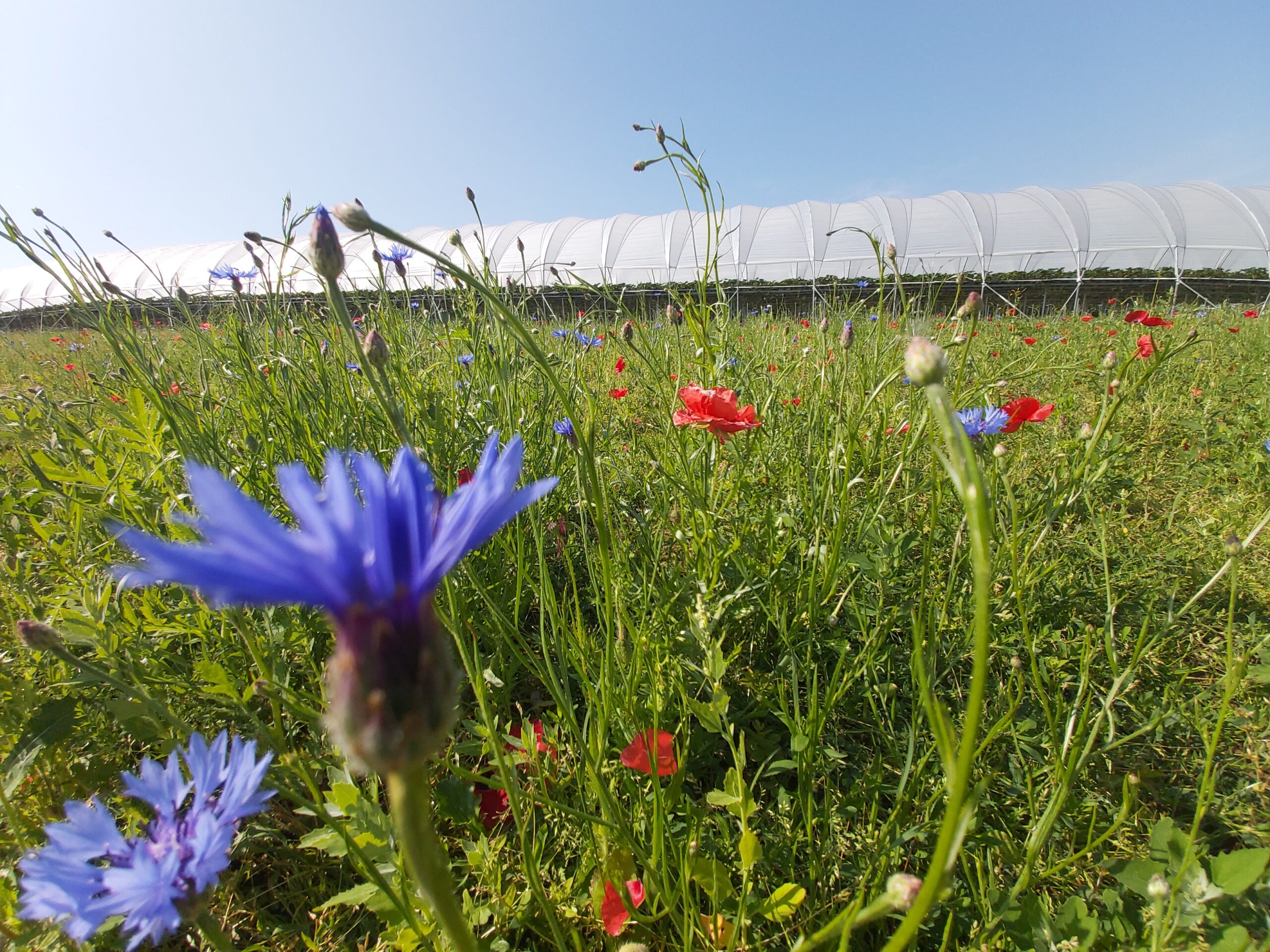
Floral plots can bring many benefits to polytunnel systems, orchards and vineyards. They can improve soil conditions, reduce surface water run-off, withstand vehicles, provide pest control and increase pollinator biodiversity. A joint study by SERT and the NIAB EMR WET Centre researched the benefits of different floral mixes planted around polytunnels.
NIAB EMR have also produced excellent factsheets and tools to promote the benefits of different floral mixes for pollinators of horticultural crops via the Beespoke project [INTERREG].
The ELMS Winter workshops
During 2023, we held a series of workshops as part of a Rivers Trust Environmental Land Management [ELM] Test and Trial. We discussed aspects of the Landscape Recovery tier of ELM, asking questions about policy in relation to spatial prioritisation tools, advice and guidance, payment support, management plans, collaboration and delivery. We talked about the use of models to reflect the impact of grower decision-making on catchment ecosystems. Feedback from attendees has been sent to Defra, with feedback from other farming sectors.
Building water resilience across the supply chain
The concept and importance of farm-to fork water resilience was the focus of our second HWH workshop, held in 2020. Farmers, retailers and regional water resource management organisations all shared their views.
Click on the button below to find out how these stakeholders discovered what this means for the horticulture sector and how the industry can help build collective action for best practice in water management.


Water management was focus of project launch
Dozens of representatives from businesses and organisations in the food supply chain attended our Holistic Water for Horticulture launch event in 2019.
The focus was on how collaborative action is key to water efficiency and management at scale. Delegates also learned about wildlife improvement in polytunnel production systems. The geographical focus was the Medway.
We hope to work with you soon.